



 |
Faculty & Research
Michael A. Collins, Ph.D.
Professor

A.B., University of Vermont (1962)
Ph.D., Purdue University (1968)
Postdoctoral Fellow, Columbia University College of Physicians and Surgeons
Research in the Collins' laboratory, done in collaboration with Dr. E.J. Neafsey,
neuroanatomy professor, focuses on
brain neurodegeneration and/or neuroprotection mechanisms during (a) alcohol intake and
(b) parkinsonism. (a) Daily "binge" exposure to high alcohol levels causes
cortical and hippocampal degeneration in vivo (adult rats) and in organotypic rat
brain slices in long-term culture. The binge alcohol-induced neurodamage appears to
involve brain hydration rather than synaptic excitotoxicity, since diuretic agents that
prevent brain edema are neuroprotective whereas antagonists to glutamate receptors,
calcium channels, and nitric oxide are not. Initial findings indicate that alcohol
bingeing promotes a glial-dependent, neuroinflammatory-like process involving TNF alpha,
arachidonic acid, and oxidative stress. In contrast, pre-conditioning brain cultures
with moderate (non-toxic) levels of alcohol inhibits several potent neurotoxins such as
HIV-1 proteins gp120, Tat or gp41, or Alzheimer's disease protein, beta-amyloid.
This novel alcohol pre-conditioning neuroprotection may result in part from suppression of
glial mechanisms initiated by these neurotoxins, as well as from elevations in
neuroprotective heat shock proteins. (b) Since Parkinson's disease has an
environmental component, we have studied with rodents and brain cultures whether
relatively common heterocyclics found in foods and smoke (beta-carbolines, e.g. norharman)
are pro-neurotoxins that may act like MPTP which is a synthetic N-methylated pyridine used
to cause parkinsonism in animal models. We and others have shown that brain enzymes
can N-methylate carbolines, that the N-methylated products are neurotoxic in vivo and in
vitro in rats, and that methylated carbolines appear elevated along with N-methylase
activity in parkinsonian brain.
View list of
Dr. Collins' publications
through the National Library of Medicine's
PubMed online database.
B.S., Brooklyn College-City University of New York (1963)
Ph.D., Duke University (1968)
Postdoctoral Fellow, University of Chicago
Dr. Frankfater's research interests concern the regulation of lysosomal proteinase
synthesis and trafficking
in tumor cells and how they might facilitate tumor cell metastasis. These secreted
proteinases can promote tumor cell invasion by degrading extracellular barriers to
migration. His laboratory has focused on the proteinase enzyme cathepsin B, which is seen
to be elevated in a number of highly metastatic tumors of humans and mice. Utilizing
techniques of biochemistry, cell biology and molecular biology, his laboratory is seeking
to elucidate the reasons for the increased expression of cathepsin B in metastatic tumors,
and to identify defects in the intracellular transport of cathepsin B which leads to its
aberrant secretion. Recent studies have focused on the identification of the cathepsin B
gene promoter and promoter-specific binding proteins responsible for the regulation of
cathepsin B expression in tumors. Also ongoing is research into the role of the
mannose-6-phosphate/insulin-like growth factor II receptor in cancer. This receptor has
the dual function of correctly targeting lysosomal proteinases to the lysosome and of
controlling circulating levels of the potent growth factor, IGF-II. The frequent finding
that this receptor is mutated in tumors can explain their increased secretion of lysosomal
proteinases. His laboratory is now also investigating the role of the IGF-II receptor in
regulating tumor growth.
View a list of
Dr. Frankfater's publications
through the National Library of Medicine's PubMed online database.
A.B., Duke University (1968)
Ph.D., University of North Carolina (1972)
Postdoctoral Fellow, National Institutes of Health
Dr. Druse-Manteuffel's laboratory has been interested in
understanding the causes of the CNS damage that accompanies maternal
alcohol consumption and exploring the possibility that some of the
damage might be prevented by a therapeutic treatment. The major research
emphasis of this laboratory has been the elucidation of the mechanism(s)
by which ethanol impairs the development of the serotonin (5-HT) system
and causes apoptosis to 5-HT neurons. Recent research focuses on the
deleterious effects of ethanol on pro-survival and anti-apoptotic
pathways. Additional studies examine cellular signaling pathways that
mediate the neuroprotective effects of a 5-HT-1A agonist and of specific
antioxidants. These in vivo and in vitro investigations use a
combination of techniques, including cell culture, immunohistochemistry,
western blots and real-time RT-PCR .
View list of
Dr. Druse-Manteuffel's recent publications
through the National Library of
Medicine's PubMed online database.
B.A., State University of New York at Binghamton (1964)
Ph.D., Brandeis University (1969)
Postdoctoral Fellow, Harvard University Medical School
Dr. Schultz is interested in how activated oncogenes control the expression of genes
required for the malignant properties of the tumor cell. For example, protease genes are
highly expressed and are essential for the invasion and metastasis of tumor cells. We have
shown the biochemical pathways required for the expression of different protease-invasive
tumor cell phenotypes. Our characterization of different protease-invasive phenotypes in
ras-transformed fibroblasts showed how alternative phenotypes can be generated by changes
in the activities of ras-oncogene activated downstream biochemical pathways, resulting in
different sets of expressed genes. These phenotypes can switch between each other on
stimulation by exogenous signals or through additional mutations. Furthermore, the
different malignant phenotypes regulate programmed cell death (apoptosis) by different
biochemical mechanisms. My laboratory is investigating the properties of these ras
oncogene pathways and how they can be manipulated to selectively regulate the properties
of the malignant cell.
View list of
Dr. Schultz's publications through the
National Library of Medicine's PubMed online database.
B.A., Wittenberg University (1969)
Ph.D., University of Illinois Medical Center (1979)
Postdoctoral Fellow, University of Illinois Medical Center
Dr. Simmons' research program centers on the study of enzymes called proteases which split
proteins and peptides into smaller units. His laboratory is determining which proteases in
lung and heart are responsible for degrading the strong hypotensive hormone, bradykinin,
thus destroying the ability of this hormone to lower blood pressure and protect the heart
from damage during a heart attack. The major focus of the lab is on an enzyme called
aminopeptidase P which inactivates bradykinin by cleaving off its first amino acid.
This enzyme has been purified and studied in detail, and a specific inhibitor called
apstatin has been synthesized. Apstatin can increase the effects of bradykinin by
preventing its degradation. Apstatin has been shown to greatly reduce the damage
that occurs in an experimentally-induced heart attack in the rat. Studies are
underway to determine if aminopeptidase P is also an important bradykinin-degrading enzyme
in humans. New inhibitors of this enzyme are being designed that bind more tightly
to the enzyme and that also can be administered as a drug by mouth. The goal is to
invent a drug that is useful in treating cardiovascular diseases which remain the most
common causes of death in this country. Two U.S. patents have been
granted on this work.
View list of
Dr. Simmons' publications through the
National Library of Medicine's PubMed online database.
 Maurizio Bocchetta, Ph.D.
Assistant Professor
Thoracic Oncology Research Program
Cardinal Bernardin Cancer Center
B.S., University of Rome (1991)
Ph.D., University of Rome (1996)
Postdoctoral Fellow, University of Illinois (1996-98)
In
the last eight years I have worked on the hypothesis that Simian
Vacuolating virus 40 (SV40) participates to the pathogenesis of a very
aggressive Thoracic malignancy (human malignant mesothelioma). I have
discovered that primary human mesothelial cells are uniquely susceptible
to SV40-mediated malignant transformation and that SV40-mediated
transformation of these cells can lead to tumor formation in
immunocompromized mice (data to be published). Through studying the
molecular mechanisms leading to SV40-mediated malignant transformation
of human mesothelial cells, I found that the evolutionarily conserved
Notch signaling pathway plays a major role in SV40 malignant
transformation and in the pathogenesis of malignant mesothelioma.
Currently, my research interests include: the study of Notch signaling
in mesothelioma, in other thoracic malignancies (e.g., non-small cell
lung cancer), the mechanisms of interactions between the SV40 major
oncogene (the Large T antigen) and key cell cycle regulators of human
cells.
Selected Publications:
Chen, Y, DeMarco, M.A., Graziani, I., Gazdar, A.F.,
Strack, P.R., Liele, L., Bocchetta, M. "Oxygen concentration
determines the biological effects of Notch-1 signaling in adenocarcinoma
of the lung. Cancer Res. 2007, in press.
Bocchetta M.,
Miele L., Pass H.I. and Carbone M. “Notch-1 induction, a novel activity
of SV40 required for growth of SV40-transformed human mesothelial
cells”. Oncogene. 2003;22:81-89.
Carbone M., Burck C., Rdzanek M., Rudzinski J., Cutrone
R. and Bocchetta M. "Different susceptibility of human
mesothelial cells to polyomavirus infection and malignant
transformation". Cancer Res. 2003;63:
6125-6129.
View list of
Dr. Bocchetta's publications
through the
National Library of Medicine's PubMed online database.
B.S., University of Arizona (1986)
Ph.D., University of Wisconsin-Madison (1991)
The research in Dr. Denning's laboratory is focused on
skin carcinogenesis. Non-melanoma skin cancers (basal and squamous cell carcinoma) are the
most common human malignancy. We are dissecting the signal transduction pathways which
regulate normal skin homeostatsis to better understand how alterations in these signaling
pathways contribute to malignancy. In particular, we are focusing on the protein
kinase C (PKC) family of serine/threonine kinases. PKC is a central regulator of the
normal keratinocyte differentiation program, and alterations in epidermal differentiation
and PKC signaling are evident in malignant keratinocytes. PKC is also activated by phorbol
ester tumor promoters commonly used in mouse skin chemical carcinogenesis studies.
Recently, we demonstrated that PKC is also activated by ultraviolet radiation, the main
environmental carcinogen for human skin cancer formation. A variety of cell biological,
biochemical, pharmacological, and molecular genetic approaches are being used to
characterize the functional significance of PKC activation/inactivation in normal and
neoplastic keratinocytes.
View list of
Dr. Denning's publications
through the National Library of Medicine's PubMed online database.
B.A., Preparatory Institute Eduardo Acevedo, Uruguay (1957)
I.icenciado en Biologia, University of the Republic of Uruguay (1972)
M.D., University of the Republic of Uruguay (1976)
Dr. Diaz's laboratory is trying to answer several questions about the process of
replicative senescence. What is the role of p16, a cell cycle inhibitor, in this process?
How is p16 expression regulated during senescence? In order to answer these questions, we
are studying the p16 gene promoter and associated transcription factors. The system
studied is an in vitro culture of activated human peripheral blood T cells that
senesce after about 20 population doublings. In a related project, the role of telomerase
and telomeric proteins in the regulation of telomere length is being studied. Telomere
shortening is believed to be one of the triggers of replicative senescence. We are also
interested in the role of telomerase and telomere shortening in genomic instability during
oncogenesis. A separate project is the role of the MLL gene in the regulation of
gene expression during commitment and differentiation of hematopoietic cell lineages. The MLL
gene is involved in chromosomal translocations in human leukemia that convert it into a
dominant oncogene. MLL is a vertebrate homolog of the Drosophila trithorax
(trx) gene. Trx mutants have a homeotic phenotype, due to misregulation
of HOX gene expression. MLL mutation in mouse also produces a homeotic
phenotype with segmental transformations of the axial skeleton. We are studying proteins
that associate with different domains of MLL and apparently modulate its
transactivating activity.
View list of
Dr. Diaz's publications through
the National Library of Medicine's PubMed online database.
Andrew
K. Dingwall, Ph.D.
Associate Professor
B.S., University of Wyoming, Laramie (1982)
M.S.,
Microbiology and Biochemistry,
University of Wyoming, Laramie (1984)
Ph.D., Molecular Genetics, Albert Einstein College of Medicine, Bronx, NY (1989)
Postdoctoral Fellow, Stanford University School of Medicine, Stanford, CA.,
Departments of Developmental Biology, Genetics and HHMI (1989-91,
1991-1996)
We study a highly conserved
group of proteins that form a complex whose main function is to regulate
gene expression through direct effects on chromatin structure. When
components of this complex are missing or mutated, cells lose the
ability to properly control their fates and growth, leading to a variety
of diseases including aggressive cancers. The best studied of these complexes
is the highly conserved SWI/SNF complex, found in yeast, flies and
mammals, that is required for the activation of many, but not all genes.
Our projects utilize
molecular, genetic and biochemical analysis of the Drosophila SWI/SNF
complex, known as the Brahma (BRM) complex. The efforts are focused on one of the most highly conserved and
critically important components, known as SNR1. This subunit is crucial
in both flies and humans for coordinating or targeting specific protein
interactions between the complex and a variety of transcription factors
and cell cycle regulatory proteins. We isolated a temperature sensitive
snr1 mutant that allows for conditional removal of snr1
function, allowing us to fully characterize the biological requirements
for SNR1 during development. This is especially important as the snr1
gene is essential in flies and loss of its human counterpart INI1
has been directly linked with aggressive childhood cancers and T-cell
lymphomas. Thus, SNR1/INI1defines a new class of extremely potent tumor
suppressors that function to regulate chromatin accessibility.
Representative publications by Dr. Dingwall
View a list of
Dr. Dingwall's publications through the National Library of
Medicine's PubMed online database.
Lydia L. DonCarlos,
Ph.D.
Professor
B.A., Summa Cum Laude, Anthropology, 1977. University of Oklahoma.
M.A., Anthropology, 1979. University of Oklahoma.
Ph.D., Neurobiology, 1985. Kent State University.
Postdoctoral Fellow, University of Rochester, 1986-1987. National Institute on Aging
fellowship
Postdoctoral Fellow, Institute of Animal Behavior, Rutgers University, 1987-1990 National
Research Service Award From NIMH.
- The main focus of our laboratory is to understand sexual differentiation of the brain as
a model for how the external environment influences development of the nervous system. In
mammals, induction of the masculine neuronal phenotype depends on the presence of
androgens, derived from the testes; in the absence of androgens, the phenotype of the
brain is essentially feminine. Androgens, estrogens, and other steroid hormones exert
effects through steroid-specific receptors; the expression of these receptors, which are
ligand-dependent transcription factions, is highly regulated. Many behaviors and
physiological functions such as reproduction, language, spatial learning and stress
responses, are sexually differentiated. Moreover, many mental and neurological disorders
are more prevalent in one gender than the other.
Histochemical, molecular, and behavioral experiments in our laboratory are
aimed at understanding the role of steroid receptors in modulating specific developmental
processes such as neurogenesis, neurite outgrowth, selection of neurotransmitter
phenotype, and cell death and the impact of these alterations on functional sexual
differentiation. In addition, we are exploring the role of gonadal hormones in neuronal
survival following injury, and are investigating the impact of estrogen on mood disorders.
-
- An understanding of the specific mechanisms through which gonadal steroids impact on
functional differentiation of the central nervous system may elucidate the etiology of
sexually differentiated psychological and neurological disturbances. Further, this
research may offer clues as to the relative contributions of environmental and biological
factors in the onset of gender-based differences in mental health and disease.
View list of
Dr. DonCarlos' publications
through the National Library of Medicine's PubMed online database.
B.S., Marquette University of Milwaukee (1972)
M.D., Loyola University Stritch School of Medicine (1975)
Our laboratory has been investigating the impact of acute and
chronic ethanol exposure on
the hypothalamic pituitary testicular axis in male rodents as
they progress through puberty into adulthood. These studies include assessment of
basal and stimulated luteinizing hormone releasing hormone (LHRH), pituitary Luteinizing
Hormore (LH) and Follicle Stimulating Hormone (FSH), and testosterone. The
mechanism(s) for the suppression of the reproductive unit are being pursued, including the role of nitric oxide, beta-endorphin, and
oxidative injury in addition to preventive modes of therapy such as naltrexone and
antioxidants. Also being explored are the effects of ethanol on the growth
hormone-IGF-1 axis. A second area of investigative research is the effect of insulin
on thermal injury in the murine model after ethanol exposure. In these studies,
hypothalamic, pituitary, adrenal, and hepatic cytokines are assessed in addition to wound
healing. Mechanisms for the beneficial effects of insulin are being pursued,
including effects on NfKB, STAR and FAS/FAS ligand.
View list of
Dr. Emanuele's publications through the National Library of
Medicine's PubMed online database.
Kimberly
O. Foreman, Ph.D.
Associate
Professor
B.A., Miami University (1987)
Ph.D., University of Cincinnati (1993)
Postdoctoral Fellow, University of Michigan (1993-95)
Dr. Foreman's research focuses on Notch signaling in human
malignancies, particularly breast cancer. Activated Notch is found
in breast cancer tissue samples, and overexpression of Notch receptors
and ligands is associated with a poor prognosis. These findings
suggest Notch plays an important role in breast cancer tumorigenesis,
and Dr. Foreman's laboratory is working from the hypothesis that Notch
signaling is a potential therapeutic target for cancer treatment.
Currently, her laboratory is focussed on two areas of investigation:
Notch signaling and angiogenesis; Notch signaling in breast tumor
initiating cells (also referred to as cancer stem cells).
Dr. Foreman has authored over 37 publications in peer-reviewed
journals. In addition to her research efforts, she is actively
involved in medical student, graduate student, and resident education at
Loyola.
View list of Dr.
Foreman's publications
through the
National Library of Medicine's PubMed online database.

Charles
Hemenway, MD
Professor
B.A., Middlebury College (1981)
M.D., University of Massachusetts (1987)
Ph.D., Duke University (1996)
Dr. Hemenway received his medical degree from the University of
Massachusetts Medical School. He completed a combined residency in
Internal Medicine and Pediatrics at the University of Florida in
Gainesville after which he began fellowship training in Pediatric
Hematology/Oncology at Duke University. During the course of
fellowship training, he developed an active interest in basic research
and remained at Duke for five years where he received a PhD in Genetics.
In 1996, he joined the Department of Pediatrics at Tulane University
in New Orleans. There he established a research laboratory while
participating actively in clinical care and medical education. He
focused his research on acute leukemias characterized by rearrangements
of the MLL gene with a specific interest in developing small molecular
inhibitors of abnormal MLL gene products.
In 2007, he moved to Loyola University Chicago where he was named the
Ronald McDonald House Charities Endowed Professor in Pediatric
Hematology/Oncology. His work in the Oncology Institute of the
Cardinal Bernardin Cancer Center continues to center on the rational
design of inhibitors of MLL leukemias.
View list of
Dr. Hemenway's publications
through the National Library
of Medicine's PubMed online database.
B.S., Illinois Institute of Technology (1968)
Ph.D., Illinois Institute of Technology (1972)
M.D., Rush Medical College (1975)
Dr. Kanofsky studies the role of singlet oxygen in biological systems. Singlet oxygen is
an electronically excited oxygen molecule that reacts rapidly with a wide variety of
biological molecules and consequently is highly toxic. Specialized instrumentation is
available in this laboratory for measuring singlet oxygen in complex biological systems
using the characteristic singlet-oxygen phosphorescence at 1270 nm. Recent work has
focused on applications of singlet-oxygen biochemistry of relevance to medicine.
Several cationic carotenoid derivatives have been sythesized. In cultured cells,
these synthetic carotenoid derivatives have been found to be more effective in preventing
photosensitizer-induced cell damage than natural carotenoids. It is hypothesized
that the synthetic carotenoid derivatives are more effective because they concentrate in
certain critical areas of the cell. The synthetic carotenoid derivatives are felt to
be models for drugs that might prevent certain photosensitivity disorders, such as the
porphyrias, certain phototoxic drug reactions and macular degeneration.
View list of Dr.
Kanofsky's publications through the
National Library of Medicine's PubMed online database.
Elizabeth J. Kovacs, Ph.D.
Professor
B.A., Reed College (1978)
Ph.D., University of Vermont (1984)
Postdoctoral Fellow, National Cancer Institute
Overall focus: The effects of gender, aging, and alcohol
exposure on inflammation and cell mediated immunity.
- Immunosenescence:
Age-dependent defects in Toll-like receptor (TLR) mediated
signal transduction pathways, including mitogen activated
protein (MAP) kinases in macrophages. Pulmonary inflammatory
responses after injury in young vs. aged subjects. Sex
differences and hormone replacement alter inflammatory and
immunity after burn injury in the aged.
- Sex differences in
cell mediated immune responses after injury: Mechanism(s) by
which estrogen, testosterone, and glucocorticoids modulate
neutrophil, macrophage and T lymphocyte function after burn
injury and/or infection.
- Alcohol and immune
responses after injury and/or infection: Systemic and
organ-specific inflammatory response after burn injury with or
without infection. Effects of combined insult of ethanol and
burn injury on cell-mediated immune function. Ethanol and TLR-mediated
signal transduction leading to the production of
pro-inflammatory and immunoregulatory cytokines by macrophages.
- Pulmonary response to
smoke inhalation and infection after burn injury. Effect of
inhalation injury on acute lung injury and acute respiratory
distress syndrome and the local and systemic production of
inflammatory and fibrogenic cytokines.
- Effects of combined
radiation and burn injury on pulmonary and intestinal
inflammation and barrier function.
View list of
Dr. Kovacs' publications through the National Library of Medicine's
PubMed online database.
Caroline
LePoole, Ph.D.
Research
Assistant Professor
M.S., Utrecht University (1987)
Ph.D. Amsterdam University (1993)
Postdoctoral Fellow, Amsterdam University (1993-1995)
Autoimmune recognition of melanocytes in vitiligo is a primary research
interest of Dr. Le Poole, as well as dendritic cell effector functions
and immune recognition of tumor cells. The progressive loss of
skin color as observed in vitiligo is considered a positive prognostic
factor in patients with malignant melanoma, where the immune response
all to often fails to clear patient of their tumor. By studying
effective recognition of melanocytic cells in vitiligo, Dr. Le Poole
aims to contribute to the development of new anti-melanoma vaccines.
Dr. Le Poole has authored 50 book chapters and publications in peer
reviewed scientific journals. She was elected secretary of the
Chicago Association of Immunologists (2000-2002), and her current
activities include the Directorship of the Immune Monitoring Core in the
Cardinal Bernardin Cancer Center where patient immune responses to
experimental vaccines are characterized and quantified.
View list of
Dr. Le Poole's publications
through the National Library of
Medicine's PubMed online database.
B.A., St. Thomas University (1981)
Ph.D., University of Miami (1986)
Postdoctoral Fellow, German Cancer Research Center
Research interests of this laboratory concentrate on the function of the heat shock
proteins (HSP) in mammalian cells and more specifically their protective role in cardiac
and myogenic cells during ischemic stress. We have constructed a transgenic mouse line
that contains a novel rat inducible HSP70 gene that we previously cloned and
characterized. This transgenic mouse line expresses high levels of the exogenous rat HSP70
in heart, skeletal muscle and brain tissue as assessed by Western blot analysis. We have
tested if the increased presence of HSP70 in the hearts of these transgenic mice confers
tolerance to ischemic/reperfusion injury and found this to be the case. Furthermore, we
have generated adenovirus vectors that contain the rat HSP70 gene under the control of the
human CMV enhancer which we have now shown confer tolerance to simulated ischemia to
myogenic cells and cardiomyocytes infected with this construct. We are presently infusing
this adenoviral construct into the hearts of experimental animals to confirm the results
obtained in the mouse heart. The possibility that an increase in expression of an
endogenous heat shock protein within the cardiac cell is able to confer resistance against
ischemia is exciting and warrants the pursuit of means of inducing the expression of these
proteins by using non-noxious drugs and gene therapy approaches.
View list of
Dr. Mestril's publications through the
National Library of Medicine's PubMed online database.

B.S., Purdue University (1981)
Ph.D., Texas A&M University (1987)
Postdoctoral Fellow, University of Texas Southwestern Medical Center at Dallas
This lab's research aims have focused on the structure/functional characterization of the
inositol 1,4,5-trisphosphate receptor (InsP3R) protein family. My laboratory has
recently completed initial comparisons of native type-1 and type-2 channels from
cerebellar and cardiac tissues as well as two splice variants of the recombinant type-1
receptor. We are currently constructing and characterizing a collection of InsP3R sub-type
chimeras designed to investigate which sequence domains confer functional heterogeneity
between receptor isoforms. In addition, my laboratory is investigating several interesting
facets of the receptor, which include: the role of the multiple determinants involved in
receptor subunit oligomerization and channel formation, the characterization of a novel
InsP3 indicator, and yeast two-hybrid screening for protein-protein interactions. The
long-term goal of my laboratory is to integrate cell/molecular biological and biophysical
methodologies as tools to decipher the regulation and role of proteins that govern
intracellular calcium signaling dynamics.
View list of
Dr. Mignery's publications through the National Library of
Medicine's PubMed online database.
Clodia Osipo, Ph.D.
Assistant Professor

B.S., Mundelein College (1988)
B.A., Mundelein College (1988)
Ph.D., Loyola University Chicago (2002)
Postdoctoral Fellow, Robert H. Lurie Comprehensive Cancer Center, Northwestern University, Feinberg School of Medicine
My lab is focused on elucidating crosstalk between ERBB2 and
Notch 1 in Breast Cancer and the significance on current and future drug therapies.
View a list of
Dr. Osipo's
publications through the National Library of
Medicine's PubMed online database.
Toni Pak, Ph.D. 
Assistant Professor
B.A., University of Colorado at Boulder (1995)
M.A., University of Colorado at Boulder (1997)
Ph.D., University of Colorado at Boulder (2002)
The central theme of my research falls under the
broad category of neuroendocrinology with a specific focus on the
molecular signaling properties of nuclear steroid receptors and the
process of sexual maturation. Elucidating the molecular basis of
nuclear steroid receptor-mediated gene expression is central to
understanding how steroid hormones modulate a variety of physiological
processes including social behaviors, sexual maturation, and
reproductive function. Research in my lab integrates molecular
techniques with whole animal physiology in order to determine how gene
expression and hormones interact to regulate the process of puberty.
There are currently three main projects in the
lab. The first one involves elucidating the molecular signaling pathway
for estrogen receptor-beta (ERβ) by addressing the following questions:
1) how do the ERb splice variants interact with each other to modulate estrogen
signaling and 2) what are the molecular mechanisms governing ERb
splice variant-induced gene transcription. Recent work has shown that
ERβ has strong ligand-independent activity. Insight into the cellular
and molecular consequences of these ligand-independent effects will
provide another dimension to our general knowledge of steroid hormone
action.
Second, a dramatic increase in gonadotropin-releasing
hormone (GnRH) is one of the hallmarks of pubertal onset. Research in
this laboratory uses a transgenic rat model that expresses green
fluorescent protein under the control of the GnRH promoter in order to
identify candidate genes in GnRH neurons that are differentially
regulated during the process of sexual maturation.
Finally, centrally expressed nuclear steroid
hormone receptors are important integrators of the internal and external
factors that potentiate downstream centrally mediated behaviors.
Previous work demonstrated that ERβ and its splice variants modulate
arginine vasopressin (AVP) promoter activity in neuronal cells; an
important central mediator for social, aggressive and affiliative
behaviors. Recent work has focused on determining 1) how hormones affect
AVP expression during pubertal development and 2) how does “binge
drinking” during puberty affect AVP expression in the brain. In
addition, recent work has begun to investigate how changes in gonadal
steroid hormones at the time of puberty contribute to the sexually
dimorphic patterns of alcohol consumption.
To visit Dr. Pak's web site, please go to the
following: www.tonipak.com
View a list of
Dr. Pak's
publications throug the National Library of Medicine's
PubMed online database.
Erika
S. Piedras-Rentería, Ph.D.

Assistant Professor
B.S.,Universidad Autónoma, Metropolitana, México (1986)
M.S., Universidad Autónoma, Metropolitana, México (1989)
Ph.D., University of Illinois (1996)
Postdoctoral Fellow, Stanford University
Molecular mechanisms of neuronal calcium channel function in normal and
pathological conditions. Neuronal calcium entry starts and regulates
critical cellular events such as neuronal excitability, neurotransmitter release, and/or
neuronal gene expression. The P/Q-type calcium channel (CaV2.1 or alpha1A)
is an essential presynaptic molecule; it mediates voltage-dependent calcium influx thereby
coordinating neuronal excitation and neurotransmitter release in neurons. The importance
of the P/Q type channel role in synaptic transmission and calcium homeostasis is evidenced
by the fact that mutations in this channel protein often lead to pathological conditions
such as familial migraine, seizures, epilepsy and ataxia.
My lab is interested in understanding calcium channel function in normal and in
pathophysiological conditions. In one of our projects, we study the role of the
P/Q-type channel in synaptic transmission and the mechanisms of channel malfunction when
mutations leading to Spinocerebellar Ataxia Type 6 are present. Spinocerebellar
ataxia type 6 is a neurodegenerative disease caused by the presence of longer than normal
polyglutamine expansions (trinucleotide repeat disease) in the carboxyl terminus of the
P/Q channel. The methods we use combine biology, biochemical and cell biology assays
to design probes, measure protein levels and assay calcium cytoxicity in the presence of
mutated channels. We use fluorescence measurements and electrophysiological
recordings (whole-cell patch clamp experiments) to assay channel activity, localization,
biophysical properties and physiological function during synaptic vesicle release.
Representative
publications by Dr. Piedras-Rentería
View list of
Dr. Piedras-Renteria's publications
through the National Library
of Medicine's PubMed online database.
B.A., Yeshiva College (1957)
M.D., University of Miami School of Medicine (1961)
Research Associate, NINDS
Current research activities of Dr. Siegel and associates
include:
1) Immunoneutralization of amyloid peptide neurotoxicity in rodent models of Alzheimer's
disease.
2) Neurotrophic factors in the aging nervous system and in Alzheimer's, Parkinson's and
other neurodegenerative diseases.
View list of
Dr. Siegel's publications
through the National Library of
Medicine's PubMed online database.
B.S., University of Illinois (1981)
Ph.D., University of Missouri (1987)
Postdoctoral Scholar, University of Michigan
Studies performed in Dr. Stubbs’ laboratory examine immune-mediated mechanisms of
peripheral nerve disease associated with monoclonal gammopathy of undetermined
significance (MGUS), a non-cancerous B cell proliferative disorder that is strikingly
prevalent among the aging population. Debilitating complications of peripheral neuropathy
with resultant decreased quality of life have been reported in up to 50% of MGUS patients.
Despite the frequency and clinical significance of MGUS neuropathy, a cause for the
peripheral nerve dysfunction observed in a majority of these patients has not been
determined.
Dr. Stubbs and colleagues are currently funded to determine the significance of anti-neural antibody isotypes
in sera of MGUS patients with peripheral neuropathy. Their studies have identified novel
pathogenic anti-neural polyclonal antibodies in sera from patients with IgG MGUS
neuropathy. These antibodies were found to be distinct from the patients’ monoclonal
IgG paraprotein, a novel finding that uniquely distinguishes IgG MGUS neuropathy from IgM
MGUS neuropathy.
The clinical importance of these studies is that it may be possible to develop therapeutic
strategies to detect and specifically remove pathogenic anti-neural antibodies from sera
of MGUS patients at risk for antibody-mediated nerve injury.
View list of
Dr. Stubbs' publications through the
National Library of Medicine's PubMed online database.

Pamela Witte, Ph.D.
Professor
B.S., Stephen F. Austin State University, Texas (1973)
Ph.D., Southwestern Graduate School of Biomedical Science, University of Texas (1984)
Postdoctoral Fellow, Oklahoma Medical Research Foundation
Postdoctoral Fellow, University of Texas Southwestern Medical Center
Fellow, Leukemia Society of America
Our lab is interested in
the impact of aging on the cellular and molecular regulation of
B-lymphocyte development and B-cell homeostasis. B-cells form and reach
an immature, but responsive stage, in the hemopoietic tisssues of fetal
liver and postnatal bone marrow. Soluble factors (cytokines, growth
factors and chemokines) involved in the differentiation and expansion of
early B-cells are produced by hemopoietic microenvironmental cells.
Through work done in this laboratory, we have identified, isolated and
studied bone marrow microenvironmental cells (called stromal cells) that
support B-cell development. We have established the kinetics of B-cell
production as the cells transition and mature from bone marrow to the
spleen in aged mice. We are currently pursuing issues involving changes
in the aged tissue that affect the migration and function of different
stages of B-cells. Additionally, we have found that bone marrow stromal
cells augment the survival of long-lived plasma cells, which provide a
foundational source of antibodies for immune protection. Our major
research goals are: (1) to determine how the production and maintenance
of B-cells is altered by normal physiologic events, such as aging, and
(2) to examine the hypothesis that stromal cells are a key regulator of
lymphopoiesis in the marrow, (3) to identify the mechanisms that allow
stromal cells to support the longevity of plasma cells in the bone
marrow, and (4) to explore the mechanisms whereby such highly metabolic
cells such as plasma cells can survive for many years.
View list of
Dr. Witte's publications
through the National Library of Medicine's
PubMed online database.
Professor
B.S., Ohio State University (1982)
Ph.D., Duke University (1988)
Postdoctoral Fellow,
University of North Carolina,
Chapel Hill
Dr. Zeleznik-Le received her Ph.D. (Cellular and
Molecular Biology/Immunology) from Duke University in 1988. She
continued her training as a postdoctoral fellow at the Lineberger Cancer
Center, University of North Carolina-Chapel Hill in the laboratory of
Dr. Jenny Ting, working on MHC Class II gene regulation. In 1991, Dr.
Zeleznik-Le became a Research Associate (Instructor) and then in 1993, a
Research Associate (Assistant Professor) at the University of Chicago,
working with Dr. Janet Rowley. She started her work on the Mixed
Lineage Leukemia (MLL) gene and protein while at the
University of Chicago. In 1999, she joined the faculty at Loyola
University Medical Center as an Assistant Professor in the Hematological
Malignancies Program. In 2003, Dr. Zeleznik-Le was promoted to
Associate Professor, and then in 2009 to Professor. Dr. Zeleznik-Le
holds a primary appointment in the Department of Medicine, and has
adjunct appointments in two graduate programs, Molecular Biology and
Molecular and Cellular Biochemistry.
Dr. Zeleznik-Le’s
research interest is focused on the MLL protein, and on MLL fusion
proteins that cause leukemia. MLL is involved in the proper maintenance
of expression of many downstream target genes, including genes of the
HOX cluster. How MLL functions to help maintain proper expression of
target genes is thought to involve epigenetic mechanisms acting at the
level of chromatin. One focus of her work is to identify epigenetic
changes (DNA methylation and histone protein modifications) that are
mediated by MLL and MLL fusion proteins. This also includes studies to
understand how proteins that interact with MLL compete and /or synergize
to mediate these effects, and the role of post-translational
modifications of MLL on its function. Her lab utilizes molecular
biological and biochemical approaches as well as in vitro and in vivo
murine models of MLL leukemia to dissect critical functions required for
immortalization and leukemogenesis. Questions addressed concern
hematopoietic cell lineage commitment, specificity of MLL and partner
gene functional domains, and transcriptional elongation pathways
contributing to immortalization capability. One goal of this work is
development of novel therapeutic approaches for these aggressive
leukemias.
Dr. Zeleznik-Le has been involved in the cloning of
several MLL fusion genes from patient leukemia samples. She has
developed murine models of MLL leukemia that recapitulate the human
disease. Her laboratory has identified proteins that interact with MLL,
including those with chromatin modifying capability, and they are
involved in collaborative studies to identify small molecules that might
function therapeutically.
Dr. Zeleznik-Le is the author of over 50
publications. She is active in training graduate students, both as a
teacher and as a research mentor. Her research is supported by grants
from NCI and NHLBI of the National Institutes of Health. She is also
involved in laboratory correlates for some early stage clinical trials
of epigenetic modifiers.
View list of
Dr. Zeleznik-Le's publications through
the National Library of
Medicine's PubMed online database.
|





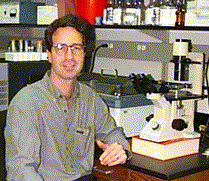 Professor


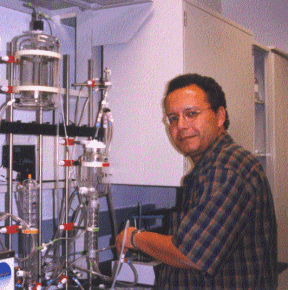 Associate Professor